Top Web Design Trends for 2026: 10 Trends You Can't Ignore
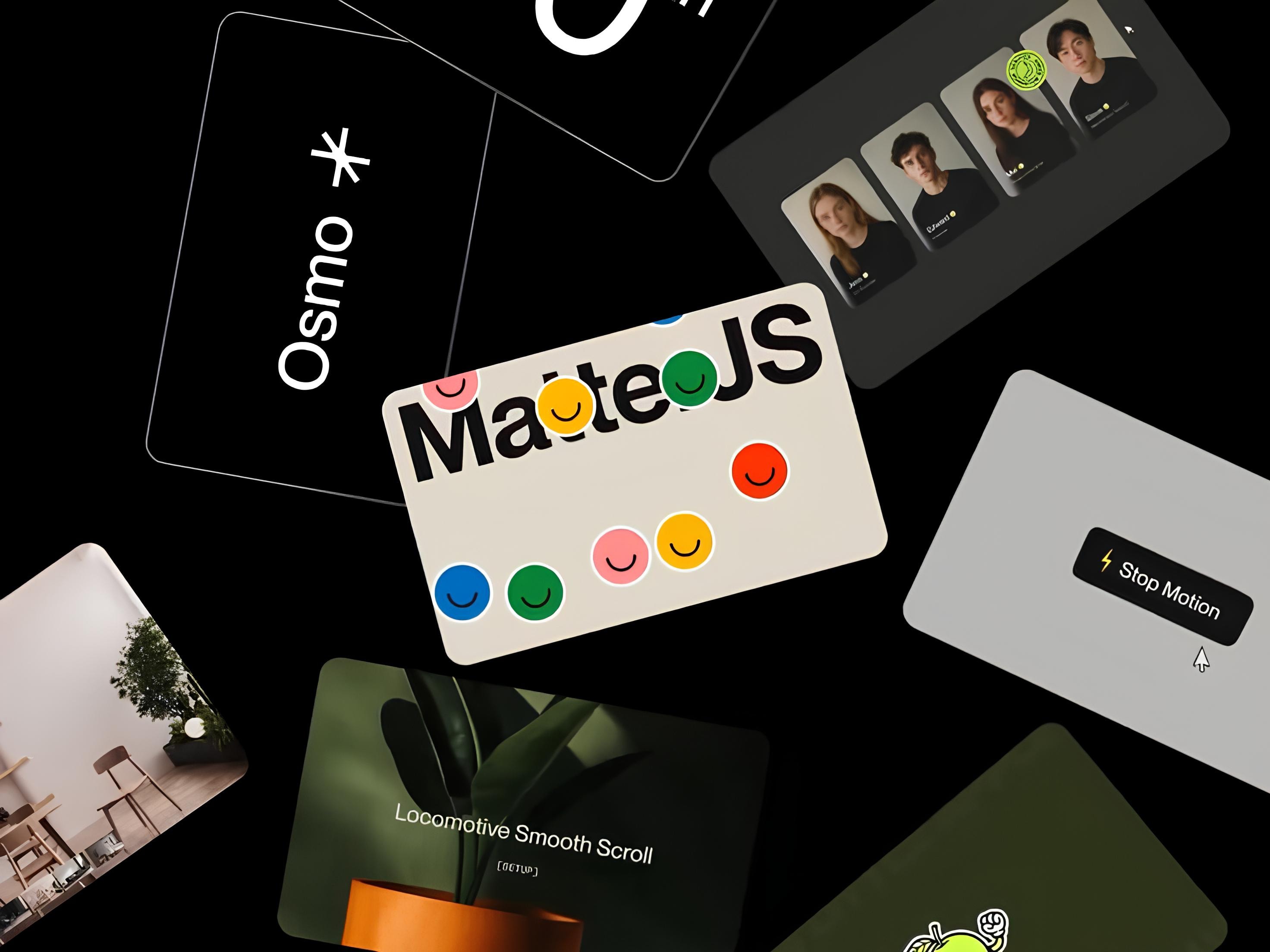
Web design in 2026 is no longer just about looking good — it's about performing, adapting, and converting. 91% of consumers now expect better digital experiences, and 84% of web professionals already use AI to build sites, content, and code.
This guide breaks down the top web design trends for 2026 that are actually shipping in production — not just mood boards. Every trend below comes with a Pinterest search reference so you can download visuals that truly match the topic.
How to find the images on Pinterest: Copy the Pinterest search query for each trend and paste it into Pinterest. Pick a pin that matches the description, then click through to its source to download. Each query below is chosen so the results stay synchronized with the trend — not random.
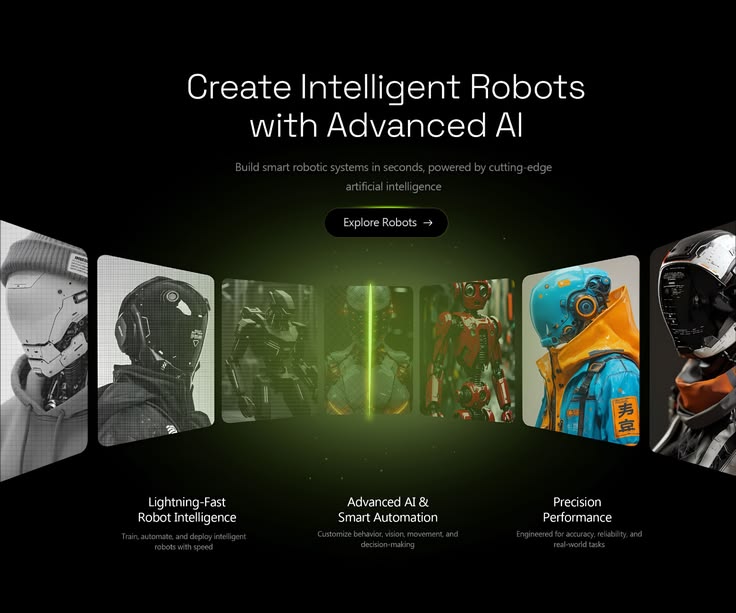
1. AI-Powered Personalization
AI has moved from a side tool to the core of how websites are designed. The global AI in web development market is projected to reach $2.7 billion by 2026, and 92% of technical leaders say AI is critical for website innovation.
In 2026, AI-driven personalization means websites adapt in real time. A SaaS visitor sees a dashboard hero image; someone lingering on the pricing page gets a custom ROI case study. Sites using AI-driven layout personalization report a 19% lift in conversion rates.
What it looks like: Clean, minimal interfaces that subtly shift content blocks, imagery, and CTAs based on user behavior — without feeling chaotic.
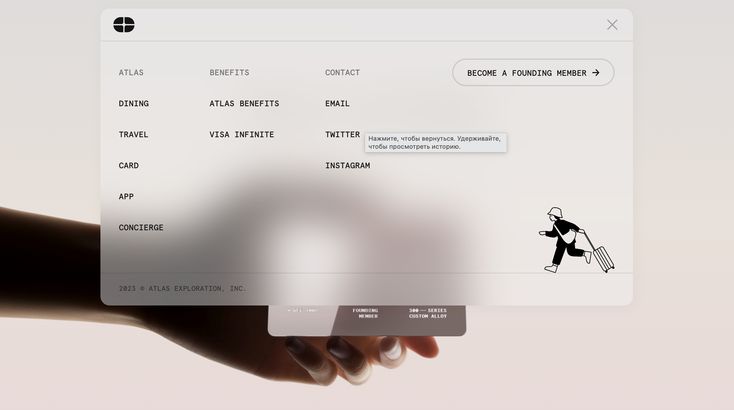
2. Glassmorphism 2.0
Glassmorphism is rising in 2026, but its most durable use is a sticky header built on CSS backdrop-filter, where scrolling content blurs underneath a translucent panel. Apple's "Liquid Glass" aesthetic has pushed the trend forward, but the key insight is restraint: glassmorphism works best for sticky headers and short-label cards — not for long body copy, where contrast becomes unreliable.
Critical caveat: Heavy glassmorphism on core flows is now flagged as a trend to avoid in enterprise settings because it can push LCP over budget on mid-tier Android devices.
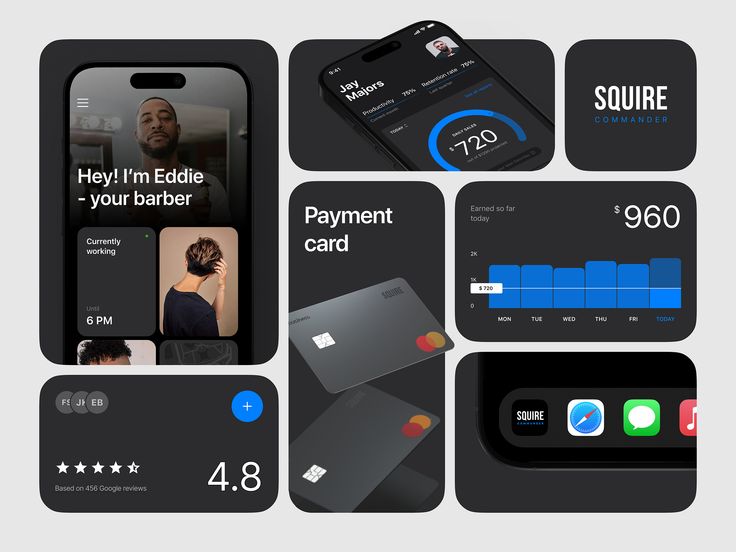
3. Bento Grids
Bento grids have become the default pattern for feature sections in 2026. The sweet spot is 6 to 9 tiles — beyond that, the layout starts to feel like a wall. Apple, Linear, and Vercel have all popularized this asymmetric tile system, where rectangular cells of different sizes share one grid.
What it looks like: A hero cell, two mid-size cells, and four to six smaller cells in a single visible block. Each tile holds a statistic, image, chart, or short piece of text.
4. Kinetic Typography
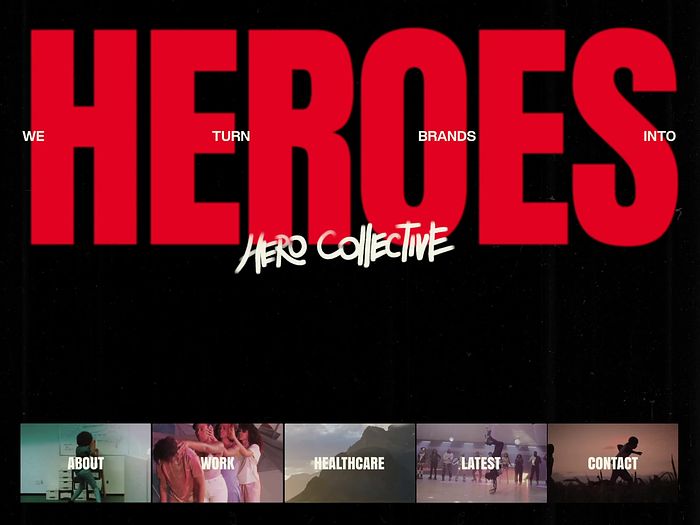
Bold, expressive typography — including variable fonts and kinetic type — is replacing photography as the primary visual anchor on many sites. Kinetic typography turns text into a character: type that stretches, slides, bounces, and reacts to scroll or hover.
This trend is driven by banner blindness — users ignore generic hero images. Oversized, animated, code-driven text cuts through the noise. 85% of designers and developers say AI will be essential to their future success, and AI-assisted type animation tools are making kinetic typography accessible to non-coders.
5. Immersive 3D & WebGL
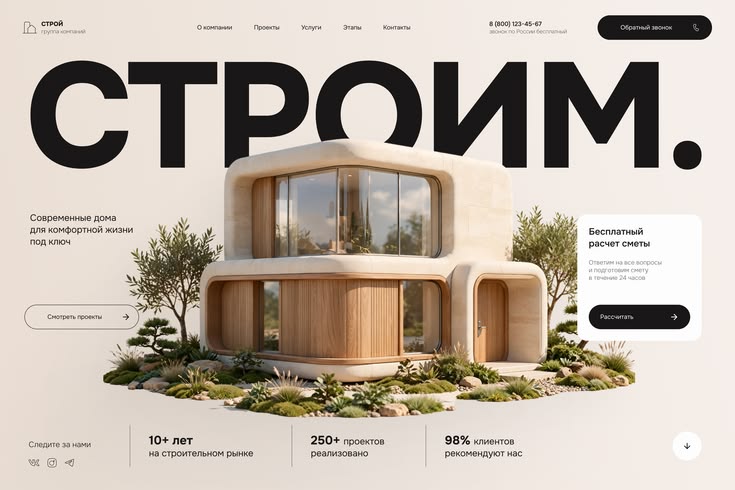
3D on the web used to be decoration. Now it's conversation. Lightweight frameworks like Spline and React Three Fiber make it easy to build 3D environments that move, tilt, and react to the user. WebGL, once the domain of math-heavy developers, is now accessible through no-code builders like Unicorn Studio — liquid distortions, glowing particles, and magnetic cursor trails are all drag-and-drop.
Key stat: 73% of web designers report cutting their initial wireframing time in half using AI, and 3D asset generation is a major part of that shift.
6. Dark Mode First
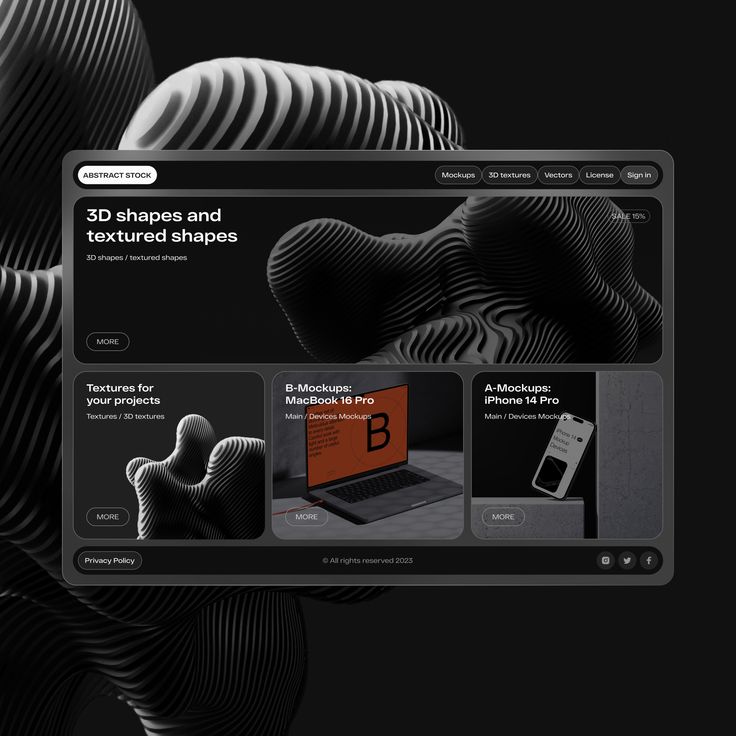
Dark mode is no longer an afterthought — it's a first-class design constraint. In 2026, tokenized theming with dark mode is in the "adopt" category for enterprise teams, meaning it's a release gate, not a nice-to-have. The best dark mode designs use high-contrast text and restrained accents, with white pill CTAs and safety-orange labels for critical actions.
7. Accessibility as a Release Gate
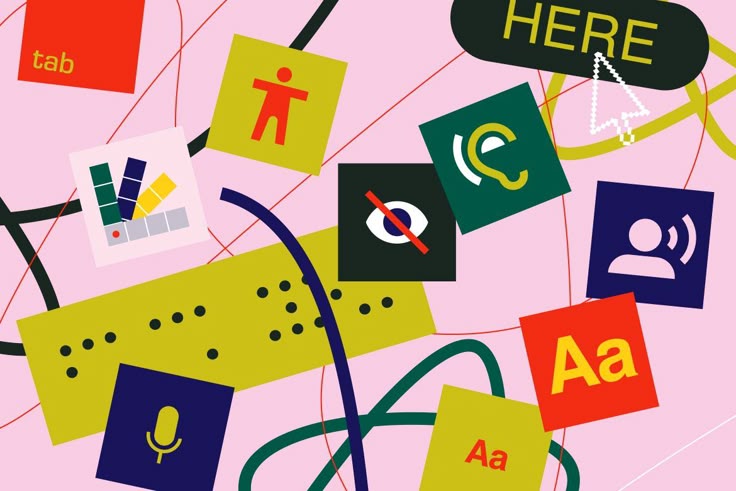
Accessibility is no longer optional. In the U.S., websites open to the public must provide equal access under the ADA, and many organizations follow WCAG Level AA as the de facto standard. In 2026, accessibility is being treated as a release gate — meaning no feature ships without passing contrast checks, keyboard navigation, and screen-reader compatibility.
What this means visually: Sufficient color contrast, accessible layout, alternative text for images, and captions for audiovisual content.
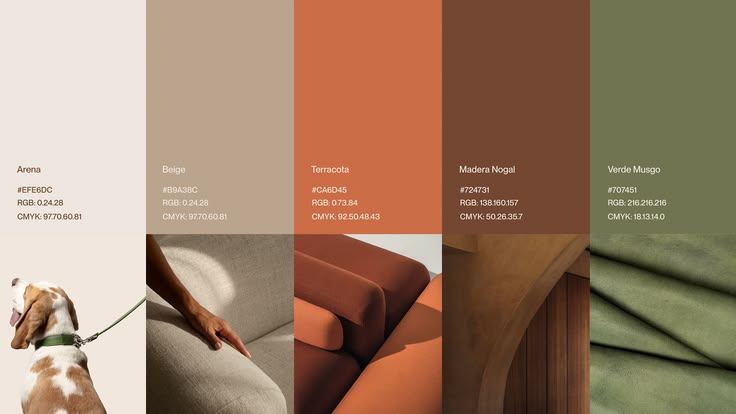
8. Nature-Inspired & Earthy Tones
In 2026, the "nature distilled" aesthetic features palettes that celebrate muted, earthy tones of skin, wood, and soil — emphasizing subtle sophistication that still brings warmth to screens. Pantone's Color of the Year 2026, Cloud Dancer (PANTONE 11-4201), is a soft, airy neutral that anchors many of these palettes.
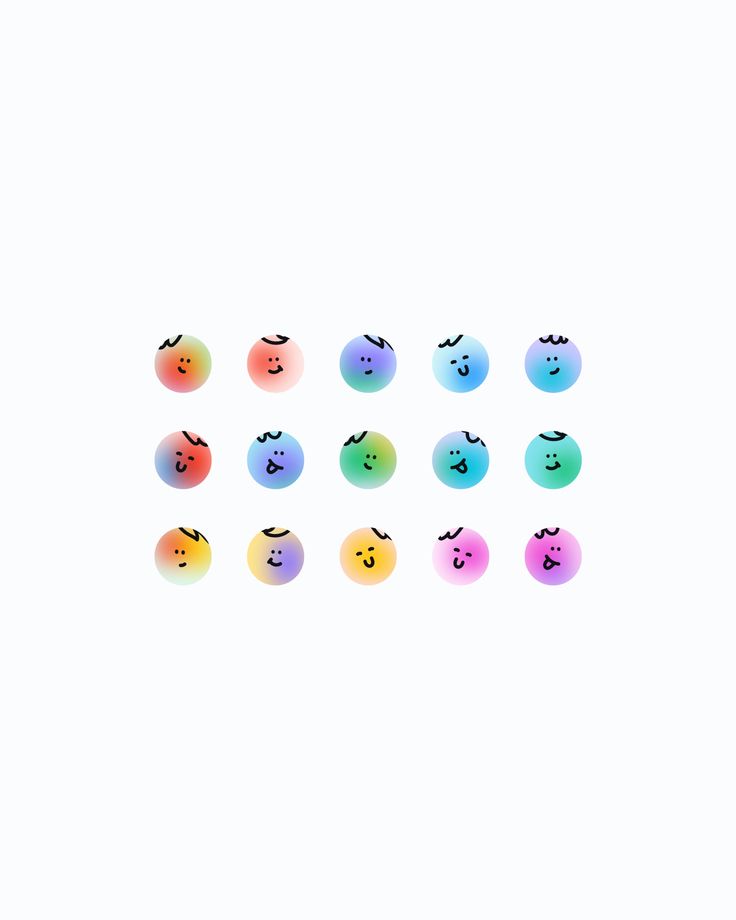
9. Micro-Interactions & Motion Design
Micro-interactions — small animations on hover, click, or scroll — boost engagement and give instant feedback. In 2026, motion design doesn't just decorate; it guides users and reduces confusion.
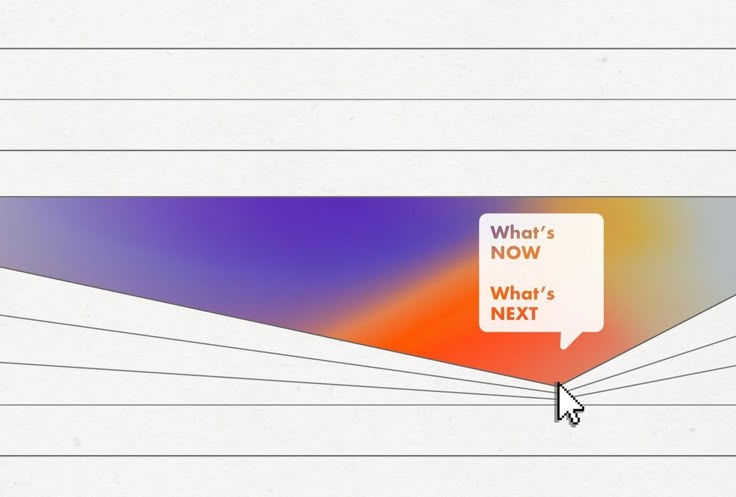
10. Zero-Party Data & Privacy-First UX
With tighter privacy regulations, zero-party data — information users voluntarily share — has become a primary strategy. Websites in 2026 are designed with transparency: giving value in exchange for data, explaining its use, and respecting user preferences.
Conclusion
The top web design trends for 2026 revolve around three things: AI, accessibility, and a personalized user experience. Trends like glassmorphism, bento grids, kinetic typography, and dark mode aren't just styles — they're tools for improving conversion, speed, and visitor satisfaction.
The key to success in 2026 is adopting trends strategically, not just chasing them. Pick what fits your brand, test performance, and keep accessibility intact.
FAQ
1. What are the biggest web design trends for 2026?
AI-powered personalization, bento grids, glassmorphism 2.0, and dark mode first.
2. Is glassmorphism still relevant in 2026?
Yes — especially for sticky headers and short cards. Avoid heavy use on long-form text.
3. How is AI changing web design?
AI enables real-time personalization, automated asset generation, and faster A/B testing.
4. Why does accessibility matter?
Beyond legal compliance, it expands your audience and improves SEO and user experience.
5. Where can I find free web design images?
Pinterest is great for curated inspiration. Use the queries in this article for trend-matched visuals.